You’ll want to remove smells from your mixer grinder safely and efficiently, starting with power-off and cool-down, then washing removable parts and treating trapped odors with proven agents like baking soda, vinegar, or lemon. Focus on seals, blades, and crevices where residue hides; rinse and dry completely to prevent recurrence. Follow a few simple maintenance steps and you’ll cut most smells quickly—but there are a couple of tricky spots you’ll need to check next.
Key Takeaways
- Disassemble jars, lids, blades and rinse immediately with warm soapy water to remove trapped food particles.
- Scrub blade assemblies and jar interiors with a nylon brush, then rinse thoroughly to eliminate residue.
- Soak jars and removable parts 15–30 minutes in a baking soda or white-vinegar solution to neutralize odors.
- Run the grinder with water and lemon/orange peels or a baking soda slurry, then rinse and dry completely.
- Air-dry parts fully in sunlight and inspect/replace worn gaskets to prevent moisture buildup and recurring smells.
Common Causes of Odors in Mixer Grinders
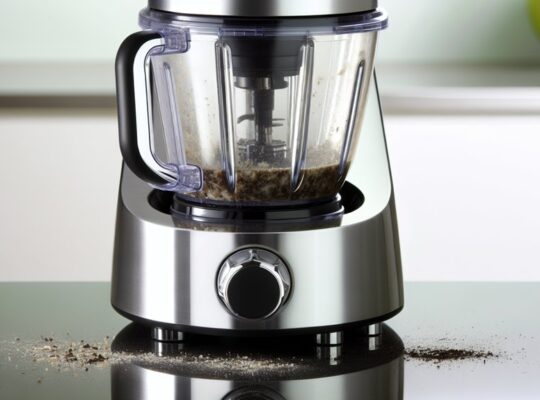
Why does your mixer grinder sometimes give off a sour or burnt smell? You’ll usually find three primary causes: food residue, motor overheating, and deteriorating seals or gaskets. Food residue trapped in blades, jars, or crevices ferments and produces sour odors; evidence shows organic matter left at ambient temperature begins to decompose within hours. Motor overheating from prolonged use or blocked ventilation yields a burnt electrical or plastic odor; thermal degradation of insulation can occur if rated duty cycles are exceeded. Worn rubber gaskets, oil seals, or plastic liners absorb oils and spices, then off-gas stale smells. Less common but relevant are metallic corrosion on blades and mildew in damp storage. Identifying the source guides remediation: remove residues, allow cooling periods, and inspect replaceable parts. You should prioritize actions that prevent inhalation of fumes and avoid disassembling electrical components unless qualified; simple inspections and timely replacement limit both odors and safety risks. For heavier or more frequent grinding jobs, consider a higher-wattage model with better thermal design and durability, such as a 750W motor, to reduce overheating and associated smells.
Safety First: Preparing Your Grinder for Cleaning
Before you start cleaning, make sure you unplug the grinder and let the motor cool for at least 15–20 minutes to prevent electric shock and burns. Put on protective gloves to avoid cuts from blades and skin contact with cleaning agents. Remove all detachable parts (jars, lids, blades) so you can clean them separately and inspect seals for trapped food. Choose a model with overload protection when replacing or upgrading to reduce motor stress during heavy use.
Unplug and Cool Down
1 simple step starts the cleaning process: unplug the grinder from the mains and let it cool for at least 10–15 minutes. You’ll prevent electric shock and protect internal components; motor housings retain heat and can continue conducting electricity briefly after use. Stand back while it cools; don’t try to speed the process with water or fans.
- Confirm the mains switch is off and remove the plug from the socket.
- Allow 10–15 minutes for the motor and jar to reach safe handling temperature.
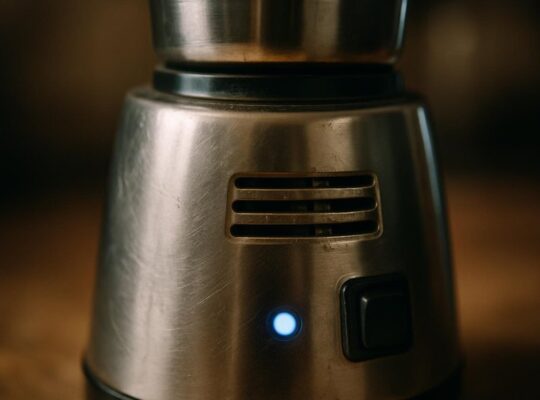
- Check that indicator lights are off before touching internal parts.
- Place the unit on a stable, heat-resistant surface while it cools.
Following this evidence-based step reduces injury and damage, and prepares the grinder for safe disassembly and cleaning. Many compact mixers feature powerful motors between 500W and 1000W, so giving them adequate cooling time preserves performance and longevity.
Wear Protective Gloves
Put on a pair of durable, chemical-resistant gloves before you handle grinder blades, jars, or cleaning agents; they’ll protect your skin from sharp edges, hot residues, and irritant detergents while letting you work confidently and precisely. Choose gloves rated for chemical and puncture resistance (nitrile or neoprene) and ensure a snug fit so you retain dexterity when manipulating small parts and applying cleaning solutions. Inspect gloves for tears or degradation before use; replace them if they show signs of wear. After cleaning, remove gloves using proper technique (peel from cuff to avoid skin contact) and wash your hands. Dispose of single-use gloves responsibly. Using appropriate gloves reduces the risk of cuts, burns, and chemical irritation and supports a safer, more effective cleaning process. Many Kenstar models come with durable, multi-function jars and sturdy construction that ease safe handling during cleaning, especially when working with multiple jars.
Remove Detachable Parts
Start by switching off and unplugging the grinder so there’s no risk of accidental startup, then let any hot parts cool completely; once it’s safe, remove the jars, lids, blades, and any detachable seals or filters in the order recommended by the manufacturer to avoid damage. Handle blades by the non-cutting edges and use a cloth or glove for grip to prevent cuts. Inspect each part for food residue, worn seals, or corrosion; these trap odors and need attention. Place components on a clean surface for immediate washing or soaking in warm, soapy water per manufacturer guidance.
- Separate parts by material (plastic, steel, rubber) for correct cleaning.
- Remove and inspect seals for cracks or staining.
- Detach filters and rinse thoroughly.
- Keep screws and small parts secured in a container.
Stainless steel jars are often preferred for durability and odor resistance, so consider inspecting stainless steel components closely during cleaning.
Disassembling the Grinder: What to Remove and How
How will you take the grinder apart without damaging seals or blades? Begin by unplugging the unit and removing jars, lids, and the gasketed lids mentioned previously. Consult the user manual for your model’s removal sequence; many jars twist off while blades lift from the base. Wear cut-resistant gloves to protect fingers from sharp edges. Inspect each blade assembly: if it’s retained by a locking nut, use the correct-sized spanner and hold the jar steady to avoid torque on seals. Remove rubber gaskets gently—roll them off rather than prying—to preserve elasticity. Note the orientation of blades, spacers, and washers; photograph each step so reassembly matches factory alignment. Don’t force stuck parts; apply a few drops of warm water and let soak briefly, then try again. Keep small components in a labeled tray to prevent loss. After disassembly, set parts on a clean surface for the next cleaning step. For added safety and ease, consider models with visible lid-lock indicators and simple safety features when choosing a grinder.
Deep-Cleaning the Jars and Lids
Start by removing all visible food particles from the jars and lids, using a small brush or toothpick for crevices to prevent lingering odors. Rinse thoroughly with hot, soapy water to loosen oils, then follow with a deodorizing treatment such as a baking soda paste or a white vinegar soak for 15–30 minutes. Rinse again, air-dry completely, and inspect seals and grooves where residues can hide before reassembling. Always unplug the unit before cleaning and consider a white vinegar soak to help neutralize stubborn smells.
Remove Residual Food Particles
To remove stubborn odors you’ll need to deep-clean the jars and lids so every trapped particle and oil film is eliminated; soaking first breaks down residues and allows mechanical cleaning to reach grooves and seals. After a 15–30 minute soak in warm soapy water, drain and inspect seams, blades, and gasket areas under good light. Use a soft brush and a toothpick for crevices; avoid metal tools that can scratch. Rinse thoroughly and air-dry fully before reassembly to prevent microbial growth. Note that heavier-use models with extra attachments may require more frequent deep-cleaning to prevent persistent smells, especially around gasket areas.
- Remove blades and gaskets; soak separately to loosen oils.
- Scrub threads and lid grooves with a nylon brush.
- Use a toothbrush to dislodge stuck food near blade bases.
- Inspect, rinse, and dry each part completely before use.
Deodorize With Natural Agents
Wondering which natural agents work best for neutralizing lingering odors in your mixer jars? Use baking soda, white vinegar, and lemon — each has documented deodorizing or antimicrobial properties. Sprinkle a tablespoon of baking soda inside the jar, add warm water, and scrub with a non-abrasive brush; baking soda neutralizes acids and traps odor molecules. For tougher smells, pour equal parts white vinegar and water, let it sit 15–30 minutes, then rinse; vinegar reduces bacteria and volatile compounds. Rub lemon halves on rubber seals and lids or soak slices in warm water for 10 minutes to add safe, pleasant citrus oils and mild acidity. Always dry components thoroughly and test seals for compatibility before reassembly to maintain safety and performance. Also consider checking the appliance’s motor vents periodically to prevent odor-causing buildup and ensure proper cooling.
Cleaning the Blades and Blade Assembly Safely
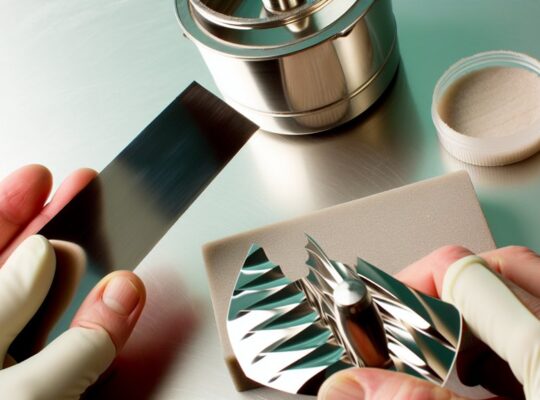
Unplug the grinder and remove the jar before you handle the blades — even a stopped blade can cut or cause the motor to engage if the machine is still connected. Once isolated, detach the blade assembly according to the manufacturer’s instructions; forcing parts can damage seals and create leaks that trap odors. Use a stiff brush and dish soap to remove food residue; hot water (50–60°C) improves grease removal without harming common polymer seals. Rinse thoroughly and inspect for pitting, rust, or torn gaskets—replace compromised parts to prevent future odor reservoirs. Dry completely with a lint-free cloth and air for 10–15 minutes to ensure no moisture remains. Choose models with reliable overload protection and sturdy seals to reduce odor-causing failures.
- Wear cut-resistant gloves and eye protection when disassembling and cleaning.
- Use a nylon brush or toothbrush; avoid metal scrapers that scratch surfaces.
- Clean immediately after use to prevent protein and oil buildup.
- Reassemble only when all parts are dry and seals align per the manual.
These steps reduce microbial growth and volatile residues safely and reliably.
Natural Deodorizers You Can Use at Home
Try simple pantry ingredients before reaching for harsh chemicals: baking soda, white vinegar, lemon, and coffee grounds are evidence-backed deodorizers that neutralize or absorb common odor-causing compounds rather than just masking them. You can sprinkle baking soda into the jar and let it sit for 15–30 minutes before rinsing; it absorbs acidic and sulfurous odors. For removable parts, wipe with a 1:1 white vinegar-water solution, rinse thoroughly, and air-dry—vinegar neutralizes many volatile residues without leaving harmful residues if rinsed. Rub lemon halves on plastic parts or pour lemon juice into the jar, let sit 10 minutes, then rinse; citric acid breaks down residue and leaves a fresh scent. To absorb lingering smells, place dry coffee grounds in an open container inside the closed jar overnight. Always test a small area first, avoid mixing vinegar with bleach, and dry components completely before reassembly to prevent bacterial growth and ensure safe use.
Removing Stubborn Stains and Lingering Smells
When stains and odors won’t budge with basic rinsing, you’ll need targeted cleaning steps that break down residues without damaging the grinder: start by disassembling removable parts, soaking plastic and glass jars in a warm solution of dish soap and baking soda to lift organic stains, and use a paste of baking soda and water or a diluted citric-acid solution for persistent discoloration; for metal blades and housing crevices, scrub gently with a soft brush and a 1:1 vinegar-water spray, rinse thoroughly, and dry completely to prevent rust and bacterial growth.
- Use an enzymatic cleaner for proteinaceous or greasy residues—follow manufacturer dilution and contact-time instructions to avoid material damage.
- For oil-based stains, apply a small amount of warm degreasing detergent; agitate with a soft nylon brush, then rinse.
- Neutralize strong odors by wiping interiors with a 1:4 hydrogen peroxide-water solution; test inconspicuous spots first.
- Sanitize removable parts with a 50 ppm bleach solution for 1–2 minutes when safe for the material; rinse thoroughly afterward.
Drying and Reassembling Your Mixer Grinder Properly
How will you ensure every component is fully dry and correctly aligned before reassembly? Start by towel-drying parts, then air-dry on a clean rack for at least 30–60 minutes; moisture trapped in joints or seals promotes odor and microbial growth. Inspect rubber gaskets, blades, and jars for residual moisture and damage; replace compromised seals. Align parts using visual guides or keyed fittings—don’t force components.
| Component | Drying/Alignment Tip |
|---|---|
| Jars | Upside-down on rack; spin gently to shed water |
| Blades | Wipe edges, dry hub, re-seat with gasket first |
| Gaskets | Compress to test seal; ensure no twists |
| Base | Wipe electrical contacts; avoid water ingress |
When reassembling, fit gaskets before blades and tighten per manufacturer torque recommendations. Test run with a short, dry spin (no food, no liquid) to confirm quiet operation and correct engagement. If you detect vibration or smell, stop and recheck assembly; safety and ventilation reduce risk of electrical or microbial hazards.
Routine Maintenance to Prevent Future Odors
Why not make a few small habits part of your routine so odors never get a chance to form? You can prevent smells by combining simple, evidence-based practices with safe handling. After every use, wash jars and lids with hot, soapy water and rinse thoroughly to remove residue that feeds bacteria. Wipe the motor base with a damp cloth—never immerse it—and let all parts air-dry completely before reassembly. Empty and clean filters or strainers weekly; trapped particles are common odor sources.
- Clean immediately: minimize residue by washing within an hour of use.
- Dry fully: moisture encourages microbial growth; air-dry on a rack.
- Ventilate storage: store jars and lids unsealed or upright to allow airflow.
- Monthly deep-clean: use a mild bleach solution (1 tbsp/1 quart water) on nonmetal parts, then rinse.
These steps are practical, low-risk, and supported by sanitary guidelines to keep your mixer grinder odor-free and safe.
When to Replace Parts or Seek Professional Help
Wondering if that persistent odor means a part needs replacing or a pro should take a look? If cleaning, drying, and deodorizing don’t remove the smell after two treatment cycles, suspect worn seals, gaskets, or motor insulation. Replace cracked rubber gaskets, brittle jar lids, or discolored rubber feet—these trap residues and degrade odor control. If you detect burnt smells, smoke, overheating, or inconsistent motor speed, stop using the appliance immediately; those signs indicate electrical faults or insulation breakdown that require a qualified technician. Also seek professional inspection when bearings roar, blades wobble despite tight mounting, or persistent oil leaks appear from the motor housing. Use manufacturer-approved replacement parts and follow torque and sealant specifications. Don’t attempt internal motor repairs if you lack tools and training—doing so risks electric shock or fire. Document serial numbers and maintenance steps for warranty claims, and keep receipts for professional service to ensure safe, evidence-based resolution.
Frequently Asked Questions
Can Dishwasher-Safe Jars Go in the Dishwasher Safely?
Yes — if jars are labeled dishwasher-safe, you can put them in the dishwasher. You’ll still avoid high-heat cycles for delicate seals, position them securely, and check manufacturer guidance to prevent warping, seal damage, or loss of coatings.
Will Vinegar Damage Stainless Steel or Plastic Parts?
Vinegar won’t damage stainless steel if diluted and rinsed promptly; it can corrode finishes if left too long. It’s safe on most plastics, but avoid prolonged exposure to weak or porous plastics to prevent dulling or stress.
Can I Use Baking Soda Paste on Motor Housing?
Yes — you can use a mild baking soda paste on the motor housing, but avoid vents and seals. Apply gently, wipe thoroughly with a damp cloth, and ensure the housing is fully dry before reconnecting power for safety.
How Long Until Odors Dissipate After Deodorizing?
You’ll usually notice major odor reduction within a few hours; complete dissipation can take 24–48 hours depending on intensity, ventilation, and method used. Keep areas ventilated and avoid heat to speed safe off‑gassing.
Are There Scented Cleaners Safe for Food-Contact Surfaces?
Yes — you can use food-safe scented cleaners containing approved essential oils or food-grade citrus extracts, but check labels for NSF/USDA approval, rinse thoroughly, avoid alcohol-based fragrances, and spot-test to ensure no residue or flavor transfer.