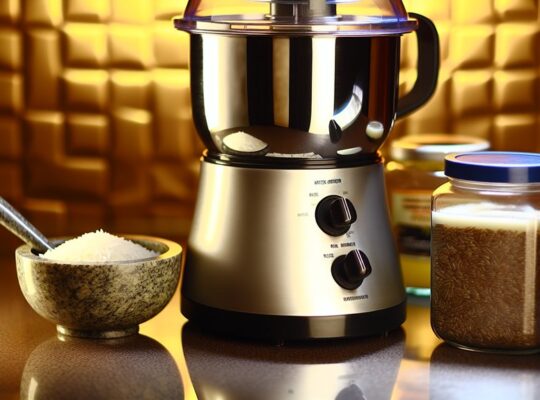
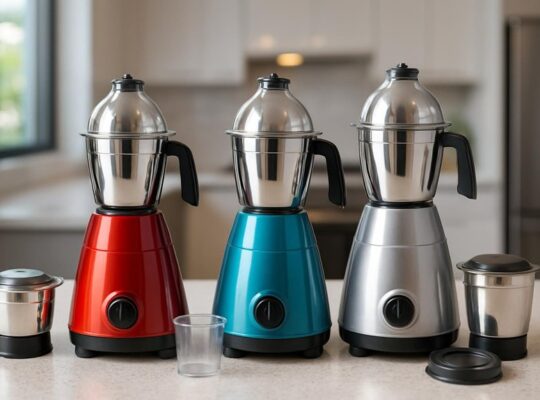
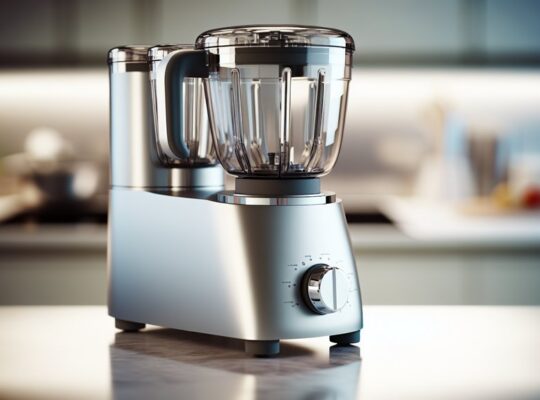
Choosing between a 750W and a 1000W mixer grinder comes down to what you cook and how often you use it. If you mostly do light grinding, small batches, and want a quieter, cheaper option, 750W will likely suffice; if you process hard ingredients, large quantities, or need faster, cooler performance, 1000W is the safer pick. Consider torque, noise, and longevity before deciding—you’ll see why next.
Key Takeaways
- Choose 750W for light daily tasks, small families (2–4), and lower noise, cost, and counter footprint.
- Choose 1000W for frequent heavy jobs, larger batches, tougher ingredients, and reduced stalling under load.
- 1000W models typically have larger jars (1.5–2L) and better torque; 750W often has 1–1.2L jars and compact chutney jars.
- Energy difference is small for short bursts; higher wattage can finish heavy tasks faster, sometimes saving net runtime.
- Prioritize thermal overload protection, good ventilation, stainless-steel jars, and warranty over raw wattage alone.
How Motor Wattage Affects Everyday Grinding and Blending
In everyday kitchen tasks, motor wattage directly shapes what you can grind or blend quickly and reliably; a 750W motor handles common jobs like wet grinding, chutneys, and small batches of batter, while a 1000W motor gives you extra torque for tougher ingredients—dry spices, large volumes, and fibrous items—without bogging down. You’ll notice the 1000W unit sustains speed under load, reducing processing time and heat buildup that can affect flavor and safety. A 750W model is efficient for routine use, consumes less power, and often weighs less, which can be safer for handling and storage. Compare startup torque, run-time ratings, and thermal protection: higher wattage usually pairs with stronger cooling and overload cutoffs. You should match motor capacity to your typical tasks; choosing higher wattage adds headroom and durability but may be overkill for light use. Prioritize models with verified safety features and clear operating limits to avoid motor stress and hazards. Models with overload protection can help prevent motor burnout when you push capacities.
Typical Tasks Best Suited to a 750W Mixer Grinder
What do you usually cook, and will a 750W mixer grinder cover it? If your meals are mostly daily Indian routines—wet chutneys, spice pastes, batter for dosa or idli, purees, and occasional nut grinding—a 750W unit will generally meet your needs. It handles wet and semi-dry tasks efficiently without overheating when you follow duty-cycle guidelines.
Compared to higher-watt models, a 750W grinder is lighter, uses less power, and offers adequate torque for small to medium batches. It’s best for families of 2–4 who cook frequently but in moderate quantities. For safety, avoid prolonged continuous runs: use 15–30 second bursts with short cool-downs to protect the motor and prevent splatter. Don’t expect it to pulverize very hard whole spices or large quantities of dry grains; that’s where higher wattage shines. Overall, choose 750W if your routine prioritizes daily convenience, energy efficiency, and controlled, safe operation. A 750W model with a narrow chutney jar and appropriate blade geometry can still produce uniform textures for many everyday preparations.
Typical Tasks Best Suited to a 1000W Mixer Grinder
If you found a 750W grinder adequate for everyday chutneys and batters but sometimes hit its limits, a 1000W model will handle heavier, more demanding kitchen jobs with less strain. You’ll notice it’s better for large-quantity grinding — think multi-serve dals, coarse masalas, and smoother purees for soups or sauces — without overheating. It’s more reliable when you process tough ingredients like soaked chickpeas for hummus, dry spices in bigger batches, or fibrous vegetables for chutneys. You can also use it for kneading small dough batches and crushing ice for drinks more confidently, provided you follow safe loading and cooling breaks. Compared to a 750W unit, a 1000W reduces stress on the motor during prolonged cycles, so you get consistent results with less risk of stalling. If you often cook for family gatherings or prep ahead, the 1000W choice is a practical, safer upgrade that balances capacity and durability. Havells models also tend to offer longer motor warranties, which can lower total cost of ownership over time.
Torque, Speed, and Performance Differences Explained
You’ll notice the 1000W model delivers higher motor torque, which keeps blades turning steadily under heavy loads compared with a 750W unit. That extra torque usually means better retention of speed during grinding, so coarse or fibrous ingredients get processed more evenly. We’ll compare how nominal RPMs translate to real-world grinding performance and efficiency for typical kitchen tasks. Higher-wattage models also often include better protection features that help prevent overheating and allow for more continuous use.
Motor Torque Comparison
Torque is the key metric that explains why a 1000W mixer grinder feels noticeably stronger than a 750W model: higher torque lets the motor maintain blade speed under heavy loads (thick batters, whole spices), so you get faster, more consistent grinding with less stalling. You’ll notice the 1000W pulls through dense mixes with smaller RPM drop, reducing heat buildup and stress on bearings. That improves safety and longevity when you follow duty-cycle recommendations. The 750W is fine for everyday wet grinding and light dry grinding, but it’ll struggle with continuous heavy use. For frequent heavy tasks like nut pastes or prolonged spice grinding, consider a higher-wattage model with improved cooling to prevent overheating.
| Spec | 750W | 1000W |
|---|---|---|
| Peak torque | Moderate | Higher |
| Load recovery | Slower | Faster |
| Recommended duty | Light/Intermittent | Heavy/Continuous |
| Heat under load | More | Less |
Speed Vs Grinding Performance
How fast do RPMs really matter when you’re choosing between a 750W and a 1000W mixer grinder? You’ll notice higher RPMs on the 1000W give quicker pulverizing, but speed alone isn’t everything. Torque sustains cutting force under load; a 750W with good torque may grind dense ingredients safely without overheating. Compare performance: 1000W handles larger batches and tougher textures faster, reducing grind time and motor stress when used properly. For safety, you’ll want a unit with thermal protection and stable RPM under load to avoid stalls. If you often process hard spices, nuts, or wet batter, the 1000W’s higher sustained RPM and torque combo is superior. For light, occasional use, a well-designed 750W suffices. Many users also pick models with multiple jars to cover blending, chutneys, and mixing needs.
Noise, Heat Generation, and Motor Life Considerations
Curious which motor will bother you less in the kitchen? You’ll notice 1000W models run louder but handle heavy loads without straining; 750W units are quieter under light tasks but may howl when pushed. Heat buildup tracks power and duty cycle — higher wattage dissipates more energy, so good ventilation and intermittent use matter for both. Motor life depends on design, cooling, and how you use it: frequent overloading shortens lifespan regardless of rating.
- 750W: lower noise in short runs, less heat if not overloaded; lower margin for heavy duty.
- 1000W: higher noise and heat output but better at sustained grinding with proper cooling.
- Safety tips: avoid continuous max-load runs, allow cool-downs, and ensure vents aren’t blocked.
Also consider that heavier loads and continuous use increase wear, so models with better cooling and robust duty-cycle ratings last longer.
Jar Capacity, Material, and Build Quality Comparisons
Check the jar sizes before you pick a 750W or 1000W model, because larger-capacity jars suit batch cooking while smaller ones save counter space. You’ll also want to compare materials—stainless steel jars usually last longer than plastic and handle heat and grinding better. Finally, inspect build quality like lid seals and handle strength, since sturdier construction keeps performance reliable over time. Consider the model’s overload protection and duty cycle ratings to avoid motor burnout during heavy use.
Jar Capacity Differences
Want lids that won’t crack after a few months? You’ll want to focus on jar capacity differences because they affect safety, convenience, and performance. A 750W model usually offers smaller main jars (1–1.2L) and a couple of compact jars for chutneys; a 1000W often includes larger main jars (1.5–2L) and more versatile mid-sized jars. Choose based on household size and load to avoid overfilling, motor strain, or hot splatter.
- 750W: smaller jars, lighter handling, suitable for singles/couples
- 1000W: larger jars, fewer batches, better for families
- Safety tip: pick jars with secure locking and clear capacity markings to prevent spills and overheating
Compare capacities against typical recipes and service size before buying. Adaptive algorithms tailor blending cycles to ingredients, improving texture consistency and protecting the motor with real-time feedback.
Material and Durability
Materials and build quality determine how long a mixer grinder will stay reliable under daily use, so you’ll want to weigh jar material, lid design, and housing robustness alongside motor power. Compare jar capacity against your family size, but focus first on materials: stainless-steel jars resist staining and odor, while toughened glass gives visibility but risks shattering if dropped. Check lids for secure locking and silicone seals to prevent leaks and pressure build-up during wet grinding. For the body, metal or high-grade ABS plastic with good ventilation and anti-vibration feet increase longevity and safety. Higher-watt models often have heavier-duty casings and brass bushings; if you value durability and safe operation under frequent heavy loads, favor sturdier construction over marginal power increases. Also prioritize models with thermal overload protection to safeguard the motor during heavy or extended use.
Energy Consumption and Running Cost Comparison
How much will your electricity bill actually change if you pick a 1000W mixer over a 750W one? You’ll pay more per hour with 1000W, but real impact depends on use. A 1000W motor draws ~1.0 kW; a 750W draws ~0.75 kW. If you run either for short bursts (common for grinding), the incremental cost is small. Compare typical scenarios, runtime, and efficiency rather than just wattage.
- Usage pattern: heavier, longer tasks favor 1000W for speed; brief tasks make cost difference negligible.
- Duty cycle and motor efficiency: a higher-watt motor may finish faster, reducing total energy consumed.
- Safety and overheating: using the proper wattage for your workload prevents strain and reduces risk of tripping breakers or motor damage.
Estimate costs using local kWh rates and realistic runtimes. Prioritize safe operation—don’t overload a 750W unit to save a little on bills.
Price Vs Value: When the Extra 250W Is Worth It
You’ll want to weigh the extra cost of a 1000W unit against the performance gains you actually need — more power usually costs more upfront but handles heavy-duty tasks with less strain. If you frequently grind tough ingredients or run long batches, the 250W boost can reduce wear and sometimes save on long-term energy and repair costs. For occasional, light use, the price premium may not be justified.
Power Vs Price
Wondering if the extra 250W is worth the extra cost? You’ll balance price against practical gains: 1000W gives quicker processing, but you’ll pay more upfront and for electricity. Consider what you actually cook, how often, and how long you run the motor — those factors decide value, not just wattage.
- Assess your routine: frequent, longer runs favor 1000W; occasional use makes 750W economical.
- Compare total cost: purchase price, expected energy use, and likely maintenance or part replacement.
- Prioritize safety: higher power can heat components faster, so ensure thermal protection and proper cooling regardless of watt rating.
Make a measured choice: buy power that matches real needs, not the biggest number on the box.
Heavy-Duty Performance
If your cooking includes tough tasks—wet grinding idlis/dosas, kneading large batches of dough, or crushing ice—the extra 250W often shifts a grinder from adequate to reliable. With 1000W, you’ll notice steadier RPM under load, less stalling, and shorter processing times; that reduces motor strain and lowers the chance of overheating during heavy use. A 750W model can handle everyday chores, but it may struggle with prolonged or frequent heavy batches, increasing wear and the need to pause for cooling. Consider how often you’ll push the machine: occasional heavy jobs favor 750W for savings; regular heavy-duty use justifies 1000W for durability and safer operation. Also check build quality, thermal protection, and warranty before deciding.
Long-Term Energy Costs
How much will that extra 250W really add to your electricity bill over years of regular use? You’ll pay more per hour with a 1000W unit, but actual cost depends on duty cycle and local rates. If you grind for short bursts, the 250W difference is marginal; if you run long jobs weekly, it compounds.
- Short, frequent tasks: 750W is usually more economical and safer from heat buildup.
- Heavy, prolonged use: 1000W finishes faster, reducing runtime and potential motor strain.
- Duty-cycle and efficiency: higher wattage can be cost-effective if it prevents repeated cycles or reduces wear.
Compare estimated annual kWh, factor in maintenance and safety (thermal protection), then decide on value vs price.
Buying Guide: Features to Prioritize for Your Cooking Style
Thinking about what you cook most will quickly narrow whether a 750W or 1000W mixer grinder suits you: match power and speed range to task—light chopping, purees and occasional grinding favor 750W for efficiency and lower noise, while frequent wet grinding, heavy chutneys, and grinding hard spices benefit from 1000W for faster results and less motor strain.
Decide by workload: smaller households doing smoothies, batter, and soft ingredients will find a 750W adequate; larger families or frequent heavy grinding should opt for 1000W. Check speed settings—variable speeds give control for delicate sauces and coarse pulses. Assess jar quality and sealing; stainless steel withstands heat and abrasive spices, while secure lids reduce splash risk. Look for thermal overload protection and sturdy motor housing for safe, reliable operation. Consider blade design—sharper, curved blades cut efficiently with less motor load. Finally, compare noise ratings and warranty coverage; lower noise and longer warranties often reflect better build and safer long-term use.
Maintenance Tips to Extend the Life of Either Model
Want your mixer grinder to keep performing like new? You should follow a few targeted practices that protect both 750W and 1000W motors, since higher power needs careful cooling and lower power needs load management. Clean jars and blades after each use to prevent residue buildup that strains bearings and creates hygiene risks. Don’t overload — match batch size to the wattage; a 1000W tolerates heavier loads but still benefits from short runs and cool-downs. Inspect gaskets and locking mechanisms regularly; replace worn seals to avoid leaks that can short circuits.
- Clean blades and vents, and dry thoroughly to prevent rust and electrical hazards.
- Use pulse mode for tough grinding and let the motor rest between cycles; reduces overheating.
- Schedule annual checks of wiring, switches, and coupling; a technician can spot wear before failure.
These measures extend life, maintain safety, and let you compare long-term cost-effectiveness between models accurately.
Frequently Asked Questions
Can Either Model Handle Wet Grinding for Long Durations Continuously?
Yes — the 1000W handles continuous wet grinding better than the 750W, but you shouldn’t run either nonstop for very long; the higher wattage reduces strain, yet monitor temperature, use rated jars, and allow periodic cool-downs for safety.
Are Additional Jars or Accessories Interchangeable Between Models?
Generally no — jars and accessories aren’t fully interchangeable across models because motor mounts, coupling sizes, and safety locks differ. You’ll want model-specific parts or verified cross-compatible accessories to ensure safe, reliable operation and avoid damage.
Do Higher Wattage Models Void Warranty More Often?
Not usually — higher wattage models don’t inherently void warranties, but they can if you misuse them (overload, wrong voltage, non‑approved parts). You’ll want to follow the manual and use authorized service to keep coverage intact.
Which Model Is Better for Apartment Use With Electrical Limits?
Choose the 750W for apartment use: it draws less current, reduces overload risk, runs cooler, and’s quieter. If you need heavy-duty grinding or multiple simultaneous tasks, go 1000W but check your circuit capacity first.
Can a 750W Unit Be Upgraded Later to 1000W Power?
No, you can’t upgrade a 750W motor to 1000W in the same unit; it’s unsafe and voids warranties. You’d need to buy a properly rated 1000W model that matches your wiring and circuit protection for safe operation.