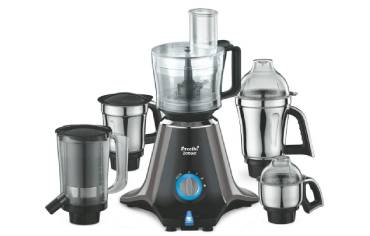
If you’re outfitting a small commercial kitchen or café, you’ll want a mixer grinder that handles continuous loads, is easy to service, and keeps food-safe surfaces throughout service. Look for 1.5–3 HP motors with thermal protection, stainless bowls and blades, variable speeds, and robust safety interlocks so you can process beans, soups, nut butters, and batters reliably. Keep going for practical specs, workflows, and maintenance strategies that actually extend service life.
Key Takeaways
- Choose motors rated for continuous duty (1.5–3 HP typical) with thermal protection to handle long shifts without overheating.
- Prefer stainless-steel food-contact parts, sealed bearings, and serviceable blade assemblies for hygiene and easy maintenance.
- Look for variable speed, pulse control, and robust gearing to achieve consistent textures for beans, pastes, nut butters, and sauces.
- Verify IP-rated electrical protection, safety interlocks, easy-to-clean design, and compliance with local food-equipment standards.
- Budget for warranty, local service availability, spare-part inventory, and documented maintenance to maximize uptime and lifespan.
Choosing the Right Mixer Grinder for Your Kitchen Needs
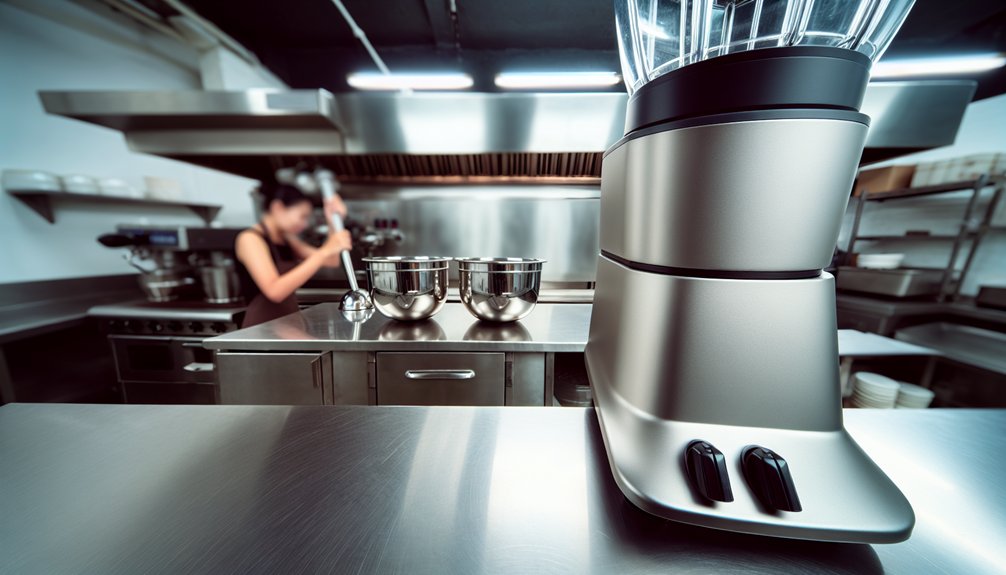
Why do you need a specialist mixer grinder instead of a domestic model? You’ll rely on consistent throughput, durability, and serviceability in a commercial setting. Assess your workload: projected daily hours, batch sizes, and ingredient types (hard spices, wet pastes, fibrous vegetables). Match motor capacity and duty cycle to continuous operation demands to avoid overheating. Consider construction materials for hygiene and corrosion resistance; stainless steel contact parts reduce contamination risk. Evaluate maintenance access: replaceable seals, accessible bearings, and vendor support reduce downtime. Plan layout for ventilation, safe electrical supply, and secure mounting to minimize vibration hazards. Verify compliance with local safety and food equipment standards. Choose a unit that aligns capacity, resilience, and maintainability with your operational safety needs. Prefer models with continuous-duty ratings and overload protection to ensure reliable performance under heavy commercial loads.
Key Features to Look for in Commercial Mixer Grinders
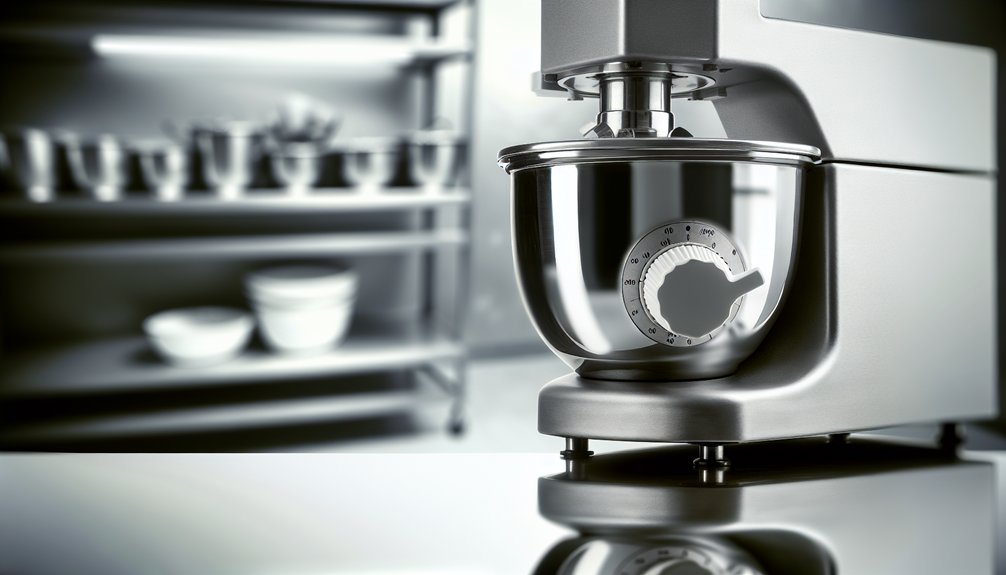
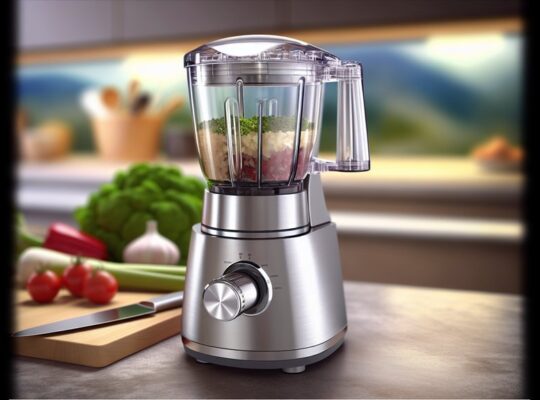
Which features matter most will depend on your menu and throughput, but several technical priorities are non-negotiable for commercial use. You’ll want a motor rated for continuous duty with sufficient horsepower (1.5–3 HP typical) and thermal protection to avoid overheating. Choose stainless-steel bowls and blades for corrosion resistance and easy sanitation; ensure blade assemblies are serviceable and lock securely. Look for variable speed control and pulse functions for precise texture control, plus robust gearing and sealed bearings for durability. Safety interlocks, overload shutdown, and IP-rated electrical protection reduce risk. Noise level, footprint, and ventilation matter for workspace safety and comfort. Finally, confirm parts availability, certified electrical ratings, and a clear maintenance schedule to keep the unit reliable. For operations that handle frequent wet and dry grinding cycles, prioritize higher torque and jar/build quality to manage heat and consistency, including jar materials that resist denting and reinforced rims.
Top Use Cases and Recipes for Café and Small Commercial Settings
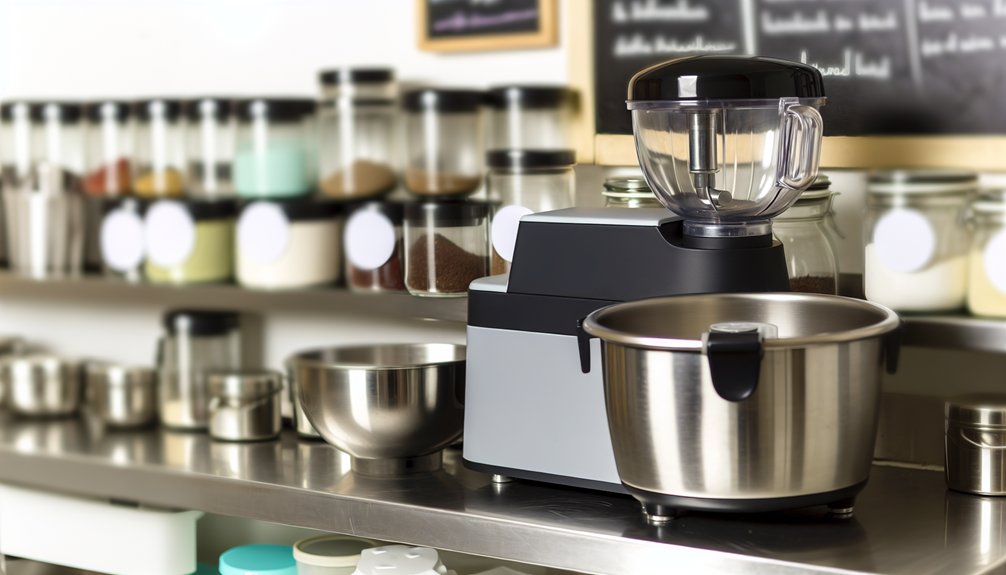
How do you get the most value from a commercial mixer grinder in a café or small kitchen? Use it for targeted tasks that save time, ensure consistency, and reduce waste while observing safe handling and correct loading limits.
- Grinding espresso beans to a consistent particle size for repeatable extraction.
- Pureeing soups and sauces hot in short bursts to prevent overheating and splatter.
- Making nut butters and seed pastes with periodic pauses to avoid motor strain.
- Preparing batters and doughs in measured batches to maintain texture and avoid overmixing.
- Emulsifying dressings and cold foams with controlled speeds to prevent separation.
Plan workflows around batch sizes, use recommended attachments, and monitor load to protect staff and equipment. Keep an eye on overload protection and duty-cycle limits to avoid motor damage.
Maintenance, Safety, and Longevity Tips
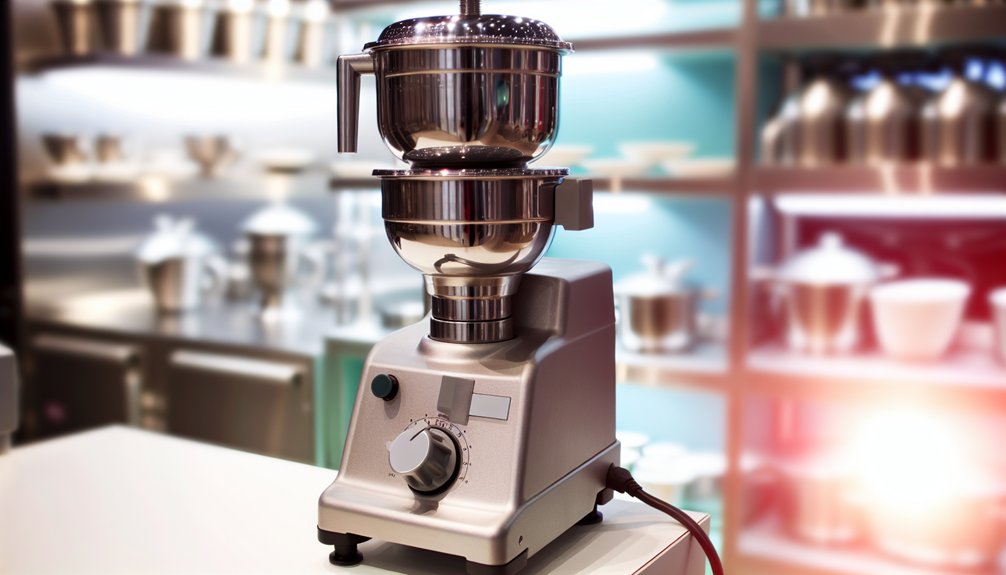
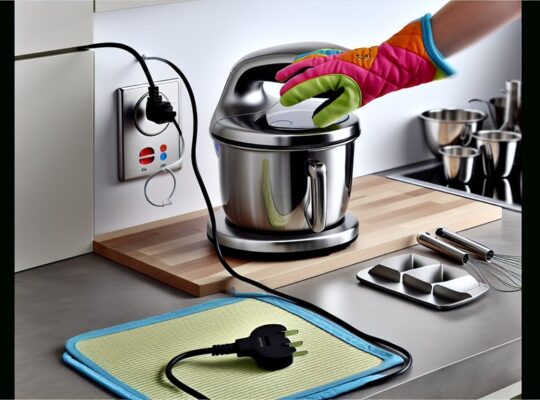
After you’ve optimized workflows and matched tasks to the machine’s strengths, keeping performance consistent means regular maintenance and strict safety habits. You’ll inspect blades, seals, and drive belts daily for wear; replace components at the first sign of scoring, deformation, or play. Clean immediately after use with manufacturer-approved procedures to prevent food buildup and corrosion; never immerse motor housings. Lubricate bearings per service intervals and use specified lubricants. Verify electrical connections, strain reliefs, and grounding before each shift; lock out power during maintenance. Use correct-speed settings and avoid overloading to reduce thermal stress. Keep documentation: service logs, part replacements, and incident reports. Train staff on safe operation, emergency stop use, and PPE. These practices extend life, reduce downtime, and mitigate injury risk. Consider specifying machines with low equivalent noise ratings to improve staff comfort and reduce auditory fatigue.
Budgeting, Brands, and Where to Buy
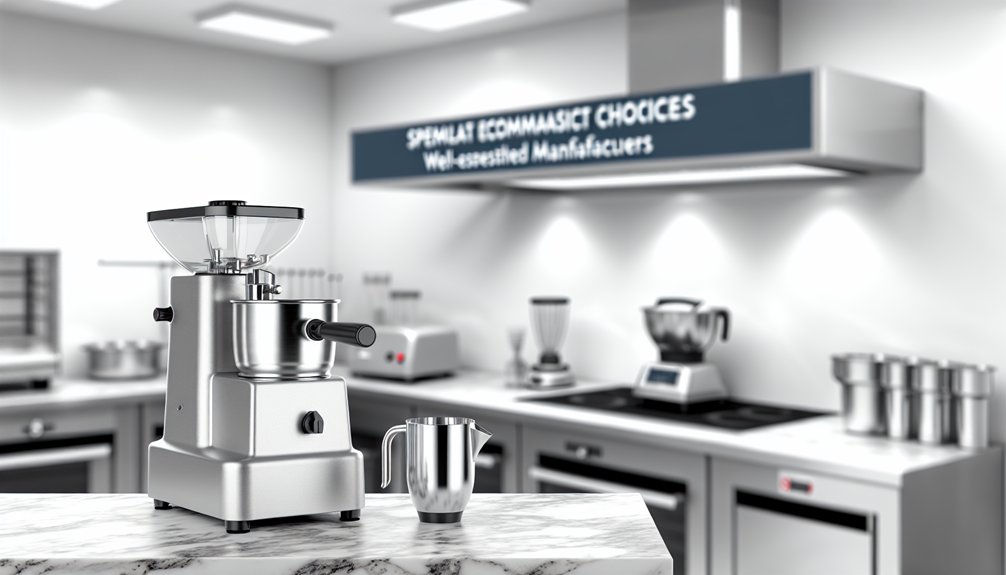
Need to stay within budget while getting reliable performance? You’ll balance cost, specs, and safety certifications. Prioritize duty cycle, motor power, and IP/inrush protection; these dictate long-term value and staff safety. Consider warranty terms and local service availability.
- Compare brands with proven commercial lines (industrial motor, thermal cut-out).
- Set a realistic cap based on throughput needs, not sticker price.
- Buy from authorized dealers to ensure genuine parts and certified repairs.
- Verify onsite service response times and spare-parts inventory.
- Check user manuals for electrical requirements and safety features.
You’ll document purchase decisions, keep service contracts, and train staff on safe operation. That reduces downtime, prevents hazards, and preserves ROI. Morphy Richards models often include overload protection and automatic shutdown features that enhance safety and equipment longevity.
Frequently Asked Questions
Can These Grinders Handle Nut Butters and Tahini Regularly?
Yes — they’ll handle nut butters and tahini regularly if you choose a high-torque, commercial-grade grinder, maintain correct feed rates, use appropriate blades, monitor temperature, clean thoroughly to prevent rancidity, and follow manufacturer duty-cycle limits.
Are Replacement Parts Universally Compatible Across Models?
No — you won’t find universal compatibility; parts vary by model, motor size, clutch design and blade geometry. Always verify serial numbers, OEM part codes and torque specifications, and use manufacturer-approved components for safe, reliable operation.
Do Any Models Qualify for Commercial Kitchen Insurance Discounts?
Yes — some models can earn insurance discounts if they meet insurer criteria for commercial-grade certification, overload protection, sealed motor housings, and documented maintenance; you’ll need manufacturer specs and insurer verification to confirm eligible models and rates.
What Noise-Dampening Accessories Are Available or Compatible?
You can fit soundproof lids, silicone dampening mats, anti-vibration feet, enclosed splash guards with acoustic lining, and insulated cabinets; check compatibility with bowl size, motor mounts, and ventilation, and follow manufacturer safety and warranty guidance.
Can These Units Be Converted for Mobile/Food-Truck Use?
Yes — you can convert them for mobile/food-truck use, but you’ll need vibration mounts, secure anchoring, a compliant power inverter or generator, thermal protection, splash guards, and periodic torque checks to maintain safe, stable operation.