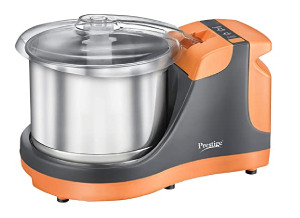
If your mixer grinder smells burnt, don’t ignore it — it’s a warning. You’re likely dealing with overheating from overload, blocked vents, food residue causing friction, or failing electrical insulation. Smells that appear only under load point to motor stress; a constant chemical odor suggests wiring or burnt plastic. Stop using it until you inspect vents, blades, and wiring; below I’ll walk you through what to check and when to call a technician.
Key Takeaways
- Burning smell at switch-on usually indicates electrical issues: motor windings, start capacitor, or wiring insulation overheating.
- A smell that appears only under heavy load points to motor overload, slipping coupler, or jammed blades causing overheating.
- Smell confined to the jar or blades after processing oily/burnt food is likely charred food residue, not an electrical fault.
- Hot casing, visible smoke, sparking, or discolored vents are danger signs—unplug immediately and stop using the unit.
- Simple fixes: unplug, let cool, clean jar/blades and vents, inspect cord/plugs, and seek professional repair if odor persists.
Common Causes of a Burnt Smell in Mixer Grinders
Why is your mixer grinder giving off a burnt smell? Check motor overload first: prolonged heavy loads or jammed blades cause the motor to overheat and the windings to emit a distinct burning odor. Inspect bearings and shaft: seized or dry bearings increase friction, producing heat and smell. Examine blades and jars for charred food residue; even small burnt particles can odor when reheated. Verify ventilation: blocked air vents or accumulated dust reduce cooling efficiency, letting temperature rise. Assess drive coupler and belt (if present): slipping or damaged parts generate frictional heat. Look for oil or grease contamination that’s burned onto surfaces. Consider aged insulation on wiring—brittle insulation can smolder under stress. Also note user misuse: continuous operation beyond recommended duty cycles will overtax components. For safety, stop use immediately when smell appears, disconnect power, allow cooling, and inspect components before restarting or seeking professional service. Always inspect the cord and plug for frays and ensure the unit sits flat on a dry counter to prevent electrical hazards and improve cooling pre-use checks.
How to Tell If the Smell Is Electrical or Food-Related
Check when the odor appears and whether it’s constant, only at startup, or after heavy use—timing helps pinpoint the source. Note if the smell is present only during operation or lingers afterwards, and whether you see smoke or feel excess heat from the motor. Those observations let you distinguish a food scorch from an electrical fault that needs immediate attention. Also inspect vents, blades, and load to rule out overheating from poor ventilation or overloaded/dull blades which can produce burning smells.
Smell Timing Pattern
How often and when the burnt smell appears gives the clearest clue about its source: if the odor shows up the instant you switch the grinder on or only during high-load tasks (wet grinding, hard spices), it’s likely electrical (overheated windings, rubbing insulation) — if it appears right after processing oily or burnt food, or only when the jar lid is removed, it’s probably food-related residue or overheating of ingredients.
Use timing to triage risk: immediate-on or load-dependent smell suggests electrical fault — stop use and inspect; post-process or lid-only smell suggests food residue — clean thoroughly.
| Timing | Likely cause | Action |
|---|---|---|
| Immediate at switch-on | Electrical (motor/start capacitor) | Unplug, inspect, service |
| Only after heavy load | Motor overheating | Reduce load, cool, service |
| After processing oily/burnt food | Residue/ingredient smell | Disassemble, clean filters/jar |
Also consider motor wattage and load capacity — a grinder with insufficient power (under 750 watts) can overheat more easily, especially during heavy wet grinding, so check the motor rating when troubleshooting.
Odor During Operation
When you smell something while the grinder’s running, note the scent, intensity and where it’s coming from to tell if it’s electrical or food-related. If it smells like hot plastic, burnt insulation, or ozone and is strongest near the motor housing or cord, treat it as electrical: stop, unplug, and inspect wiring, vents and brushes. If the odor is oily, acrid or like scorched spices and is concentrated around the jar, blade assembly or ingredients, it’s likely food-related—turn off, remove the jar and check for stuck particles, overheated oil or burnt residue. Pay attention to sudden onset versus gradual change; electrical smells are often sharper and persistent. When in doubt, err on the side of safety and disconnect power before further inspection. Also perform a quick test run with a small amount of liquid to check for leaks and confirm whether odors are coming from the jar or the motor housing (gasket checks).
Presence of Smoke/Heat
Notice any visible smoke or excessive heat immediately—those are the clearest signs that the issue is electrical rather than just burnt food. If you see sparks, melting plastic, or a persistent acrid smoke, cut power at the outlet and unplug the unit; don’t touch internal parts. Electrical smells tend to be sharp, chemical, or like burning insulation, while food burns smell toasted, oily, or charred and are usually localized to the jar or blades.
Check the motor housing temperature: if the casing is unusually hot within seconds of startup, the winding or bearings may be failing. Listen for grinding, humming, or intermittent power loss. Do not run the grinder again until a qualified technician inspects motor windings, brushes, capacitor, and wiring for shorts or overheating. For long-term safety, keep the unit clean, ventilated, and avoid overloading the motor to prevent overheated motors.
Signs the Motor Is Overheating
If you smell a sharp burning or melting odor from the unit, that’s often the motor overheating. You’ll also notice the casing feels unusually hot to the touch or shows discoloration around vents or seams. Those signs mean you should stop using the grinder and inspect the motor and ventilation immediately. Repeated overheating can damage bearings and reduce efficiency, so have worn components and ventilation checked before using again.
Burning or Melting Smell
Ever wonder why a sharp, burning or plastic-melting smell comes from your mixer grinder? That odor usually signals the motor’s insulation, windings, or internal plastic parts overheating. If you smell hot insulation (acrid, chemical) it’s likely varnish or winding breakdown from excessive current or stalled blades. A plastic-melting scent indicates nearby housings, fan blades, or wire insulation reaching softening temperature. Stop using the appliance immediately, unplug it, and let it cool in a ventilated area. Don’t touch internal components until power is isolated. Inspect for jammed blades, overloaded jars, or blocked ventilation that cause increased load and reduced cooling. If odors persist after basic checks, get a qualified technician to test winding resistance, insulation integrity, and cooling fan operation before reuse. Also inspect blade seating and retaining hardware for misalignment or looseness, which can cause vibration, increased load, and overheating.
Hot or Discolored Casing
A hot or discolored casing usually means the motor’s running hotter than it’s designed to, and you should treat it as a warning sign. You’ll notice browning, warping, or a persistent heat that’s more than warm-to-touch. That indicates excessive internal temperature from overload, poor ventilation, worn bearings, or electrical faults. Don’t ignore it—continued use risks insulation failure, short circuits, or fire.
- Fear: seeing discoloration tells you something’s wrong and you’re right to stop immediately.
- Urgency: overheating progresses quickly; delay increases danger and repair cost.
- Responsibility: disconnect power, let the unit cool, and avoid DIY fixes on live components.
- Action: inspect vents, clean dust, check load and seek qualified service if discoloration persists.
Processors and mixer grinders with overload protection are less likely to reach this stage, so consider having your unit inspected and fitted with proper safety features.
Dirty or Clogged Vents and Filters to Check
Where should you start when your mixer grinder smells burnt? Begin by inspecting vents and any removable filters: blocked airflow raises motor temperature and produces burning odors. Unplug the unit and let it cool. Remove the jar and any covers to access intake and exhaust vents; use a flashlight to spot dust, flour, oil residue, or food particles. If your model has a washable filter, take it out and rinse with warm water and mild detergent, then dry completely before reinstalling. For non-washable mesh or foam filters, gently brush with a soft toothbrush or use low-pressure compressed air from a safe distance to avoid pushing debris deeper. Clean surrounding fan fins and vent grilles; avoid sharp tools that might bend fins. After cleaning, run the grinder briefly without load to verify odor reduction and normal airflow. If vents clear but smell persists, stop use and seek professional service to rule out deeper internal issues. Also consider that blocked vents can cause overload protection to activate, so check for any tripped reset buttons or fault indicators before restarting.
Worn Bearings, Brushes, and Other Mechanical Issues
How can worn bearings, carbon brushes, or other mechanical parts make your mixer grinder smell burnt? When bearings wear, metal-on-metal friction increases; that generates heat and the acrid odor you notice. Carbon brushes wear unevenly, causing sparking at the commutator—sparks burn insulating material and produce a hot, sharp smell. Other failures (loose armature, seized fan) force the motor to work harder, overheating insulation and grease.
You should shut the unit off immediately if you smell burning and unplug it. Don’t run it further; doing so risks fire or further motor damage.
- Fear: hearing grinding or smelling hot metal signals imminent mechanical failure.
- Urgency: continued use will degrade the motor and raise fire risk.
- Relief: replacing bearings or brushes removes the source and stops odor.
- Responsibility: seek qualified repair or replace parts per manufacturer specs.
Inspect and repair only when powered down; follow safety procedures and use correct replacement parts. Higher-wattage motors like 750-watt units can generate more heat if mechanical faults are present, so prompt attention is even more important.
Inspecting the Power Cord, Plug, and Switch for Damage
Check the power cord, plug, and switch for visible damage before anything else. Look for frayed or exposed wiring and any signs of burning, melting, or discoloration at the plug or switch contacts. If the plug is loose, charred, or the insulation is compromised, stop using the grinder and replace the damaged parts or have a qualified technician repair them.
Frayed or Exposed Wiring
When your mixer grinder smells burnt, start by inspecting the power cord, plug, and switch for frays, exposed conductors, melted insulation, or loose connections—these faults are common sources of overheating and electrical arcing. Check along the full length of the cord; bend it gently to reveal hidden splits. Look inside the switch housing for charred plastic or discoloration. Never run the unit if you see bare wires or insulation gaps.
- Fear: exposed conductors can shock you and ignite nearby materials.
- Urgency: a frayed cord needs immediate disconnection and replacement.
- Caution: sparks or heat around the switch indicate internal failure.
- Relief: resolving wiring faults prevents fires and restores safe operation.
If unsure, have a qualified technician inspect and replace damaged wiring.
Burned or Loose Plug
After you’ve ruled out frayed wiring, inspect the plug itself and the cord entry for signs of burning, melting, or looseness—these issues concentrate heat at the contact points and can cause the burnt smell you’re noticing. Check that pins aren’t discolored (brown/black), that the plastic housing isn’t warped, and that the cord clamps inside the plug secure the conductor insulation, not the bare wire. Wiggle the cord with the appliance unplugged: any movement at the plug or switch that produces sparks, odor, or intermittent contact indicates degraded connections. A loose live connection raises resistance and localized heating—replace the plug or cord assembly immediately. If the built-in switch shows pitting or charring, stop use and have a qualified technician repair it.
Simple Home Fixes You Can Try Safely
Wondering whether you can fix that burnt smell yourself? You can try a few safe, low-risk steps before calling a pro. Always unplug the grinder and let it cool; never work on a powered appliance. Use a flashlight to inspect the plug, cord, motor housing seam, and jar seals for obvious scorch marks or melted insulation. Clean removable parts: rinse jars, blades, and lids with hot soapy water and air-dry to remove food residues that produce odors. For the motor housing, wipe vents and exterior with a slightly damp cloth—don’t let water enter vents.
- Check and replace a discolored or cracked plug/cord; it’s inexpensive and reduces risk.
- Tighten loose jar fittings and blade assemblies; rattles can cause friction heat.
- Replace worn rubber gaskets and jar seals to stop burnt-smelling leakage.
- Run an empty short test with water (sealed) to detect abnormal smoke or smell—stop immediately if present.
If smell persists, seek professional service.
When to Stop Using the Grinder Immediately
How do you know it’s time to stop using the grinder right away? If you notice persistent burning smell even after cooling, stop immediately. You shouldn’t keep running a unit that emits acrid, chemical, or metallic odors; those indicate insulation, winding, or bearing failure. Also stop if the motor stalls, sputters, draws unusually high current (tripping breakers), or the unit vibrates excessively — these are signs of mechanical seizure or electrical shorting.
If you see smoke, sparks, melted plastic, scorch marks, or a hot housing beyond brief warming, cut power and unplug at once. Don’t attempt to reset or continue testing while the appliance is plugged in. If the lid or blades are jammed and you can’t clear the obstruction safely, power down before trying to free them. After stopping, let the grinder cool in a ventilated area and inspect for visible damage; document symptoms for repair or replacement decisions.
What to Expect From Professional Repair Services
What will a repair service actually do when you bring in a grinder that smells burnt? You’ll get a structured inspection and controlled testing to isolate the fault without risking further damage or fire. Technicians will de-energize and open the unit, check wiring insulation, brushes, armature, bearings, windings, and the thermal cut-out. They’ll run electrical tests (continuity, insulation resistance) and a no-load spin test.
- They’ll identify the root cause and explain safety implications so you know the risk level.
- They’ll replace only failed components, using specified parts to restore safe operation.
- They’ll document measurements and repairs, showing before/after test results for transparency.
- They’ll advise on immediate safe-use limits and whether further monitoring or replacement is required.
You should expect clear estimates, visible test evidence, and a safety-first approach — no vague assurances. Refuse repairs that lack proper testing or certified replacement parts.
Tips to Prevent Burnt Smells and Extend Appliance Life
When do you need to act to stop that burnt smell before it becomes a safety hazard? Act immediately if you detect persistent burning odors, visible smoke, overheating, unusual vibration, or tripped breakers. Unplug the unit and inspect for charred wiring, loose connections, or clogged vents.
Prevent recurrence by following routine maintenance: clean jars, lids, and blades after every use to avoid food residue buildup that strains the motor. Check and tighten terminals and replace frayed cords. Ensure adequate ventilation during operation—keep at least 15 cm clearance and avoid running the motor continuously for more than the manufacturer’s rated duty cycle.
Use correct jars and speeds for the task; overloading or using high speed for heavy grinding increases thermal stress. Replace worn bearings and brushes promptly; measure brush length against spec. If you smell burning intermittently, test under controlled load and measure current draw—elevated amperage indicates mechanical binding or electrical faults requiring service. Regular preventive care prevents hazards and extends service life.
Frequently Asked Questions
Can a Burnt Smell Permanently Damage My Food’s Flavor?
Yes — if burnt odor permeates ingredients or cookware, it can permanently alter flavor through carbonized residues and volatile compounds; you’ll need thorough cleaning or discard contaminated food to avoid lingering off-flavors and potential safety risks.
Is It Safe to Use the Grinder After a Brief Burnt Odor?
Yes — you can usually use it after a brief burnt odor, but unplug, inspect blades/motor, clean debris, let it cool, and test with water. If smell persists, smoke appears, or performance drops, stop and get professional repair.
Do Warranty Policies Cover Burnt-Smell Issues?
Usually not automatically; warranties cover manufacturing defects, not wear or misuse. Check terms for motor/electrical faults and authorized service requirements. Keep proof of purchase, photos, and service reports—those’ll strengthen a claim if applicable.
Can Running the Grinder Empty Cause the Smell?
Yes — if you run the grinder empty, it can overheat and cause a burnt smell from friction, motor windings, or bearings. Stop immediately, unplug, let it cool, inspect for damage, and service if smell persists.
Are Replacement Parts Compatible Across Different Brands?
Generally no — you shouldn’t assume cross-brand compatibility. Motors, shafts, and couplings differ in size, specs, and safety ratings. Only use manufacturer-approved or exact-spec replacements to avoid malfunction, overheating, or electrical hazards.