If your mixer grinder is getting hot or smelling faintly burnt, don’t ignore it — you’ll want to diagnose it quickly to avoid damage. Start by checking loads, blade fit, vents and the cord, and note any strange noises or power drops. Some fixes are simple; others need a pro. Keep going to learn practical checks, safe quick fixes and when to stop and call for repair.
Key Takeaways
- Overloading jars or grinding dense/fibrous ingredients for long periods increases motor load and causes overheating.
- Blocked vents or dust buildup restrict airflow and prevent proper motor cooling.
- Worn bearings, failing motor windings, or faulty capacitors produce friction or excess current and heat.
- Burning smells, smoke, loud noise, or frequent breaker trips are warning signs requiring immediate stop and inspection.
- Unplug, clean blades/vents, test empty briefly, and seek professional repair if smells, scorch marks, or recurrent overheating persist.
Common Causes of Mixer Grinder Overheating
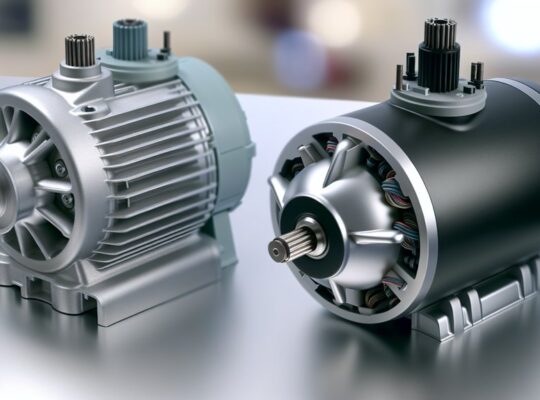
Why’s your mixer grinder heating up? You’ll first check the obvious: overloaded jars or grinding dense ingredients for too long makes the motor work harder and heat quickly. Next, inspect ventilation — blocked or dusty vents restrict airflow, so the motor can’t dissipate heat. Worn bearings or a failing motor winding cause friction and internal heat; you’ll notice unusual resistance or noise. Faulty capacitor or starter components can force the motor to draw excess current, raising temperature. Poor electrical supply — low voltage or unstable mains — makes the motor run inefficiently and warm up. Damaged or loose power connections increase resistance and localized heating at terminals. Using incorrect blades or improperly assembled parts can bind the load. Finally, continuous use without rest prevents cooling cycles; you’ll want to limit run time per manufacturer guidance. These causes are mechanical, electrical, or user-related — identifying which will guide safe corrective action. Also consider the appliance’s motor power and design, since many household models operate around 550 watts which affects heat generation and suitable run times.
How to Recognize Warning Signs
Knowing the common causes helps you spot when something’s going wrong — now learn the warning signs so you can act before damage occurs. You should watch for abnormal heat, strange smells, and unusual noises. If the casing feels too hot to touch within a short run, stop use. A burning or chemical odor suggests electrical issues; a metallic smell points to motor friction. Grinding, rattling, or high-pitched whining are mechanical red flags. Also note performance drops: slow RPM, intermittent power, or frequent tripping of the breaker.
| Symptom | What it suggests | Immediate action |
|---|---|---|
| Excessive heat | Overload or cooling failure | Power off, unplug |
| Burning smell | Electrical short or insulation burn | Stop, ventilate area |
| Loud/unusual noise | Worn bearings or loose parts | Stop, inspect by pro |
Record when signs occur (duration, load) and avoid further use until you’ve had it checked to reduce fire and injury risk. A maintenance check that includes inspecting couplers, gaskets, and overload protection can prevent recurrence of these issues and extend motor life; consider scheduling regular checks for overload protection.
Safe DIY Checks and Fixes You Can Try
Before you start, unplug the grinder and let it cool completely—working on a hot or powered appliance is risky. Check the jar and blade: remove the jar, inspect blades for bent or dull edges, and tighten loose fittings. Clean out trapped food debris around the blade, shaft, and gasket; grime can stress the motor. Inspect the power cord and plug for cuts or burn marks—don’t use it if damaged. Test ventilation: clear vents of lint or dust with a soft brush or compressed air so airflow isn’t blocked. Try a controlled run without load: reassemble, plug in, and run empty for 15–30 seconds to see if noise, smell, or heat repeats. If the grinder trips the breaker, smells like burning, makes grinding noises, or runs intermittently, stop immediately. Keep records: note conditions when overheating happens (duration, load, sounds). Also consider whether the motor’s overload protection is activating and interrupting operation, which can indicate repeated overheating or excessive load.
When to Seek Professional Repair
If your quick checks didn’t fix the problem or revealed signs of electrical damage, call a professional. Don’t keep using the grinder if you see burning smells, visible scorch marks, smoke, sparks, tripped breakers that recur, or melting on the cord or housing. These indicate wiring faults, short circuits, or motor insulation failure that can cause fire or electric shock.
Also seek repair when the motor hums but won’t start, overheats repeatedly despite correct use, or trips thermal cutouts immediately after cooling. These symptoms often mean worn bearings, failing start capacitors, or internal winding damage requiring tools and parts you shouldn’t handle.
When you contact a technician, describe symptoms, how long it’s been used, and any recent incidents (power surges, water ingress). Ask about certification, warranty on repairs, and whether they’ll test insulation resistance and replace damaged components. Prioritize safety over saving time—professional diagnosis prevents hazard and further damage.
Ensure the technician inspects ventilation and checks for blocked vents to prevent recurring overheating issues.
Preventive Maintenance Tips to Avoid Overheating
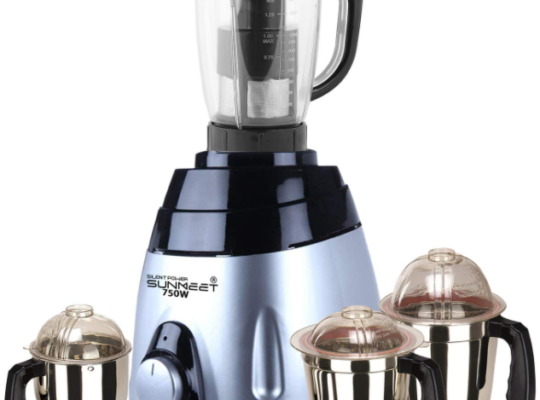
Want to avoid repeat trips to the repair shop? Do routine checks: inspect power cord for frays, ensure plug fits snugly, and confirm switches work smoothly. Clean the jar, blades, and lid after each use to prevent food build-up that forces the motor to work harder. Unplug and wipe vents and cooling fins with a brush every week to remove dust and oil residue. Balance loads—don’t overload or run the grinder with too little content; uneven loads strain bearings and motor windings. Use pulse mode for heavy tasks and allow the motor to rest 2–3 minutes after continuous runs longer than one minute. Tighten loose fittings and replace worn gaskets or blades promptly. If vibration increases, stop and inspect mounting screws and blade assembly. Store the appliance in a dry, ventilated spot to prevent moisture-related shorting. Follow the user manual for recommended service intervals and safety precautions to reduce overheating risk. For frequent heavy or fibrous jobs consider a higher-torque model like a 750W grinder to reduce motor strain and overheating.
Frequently Asked Questions
Can Overheating Damage the Motor Permanently?
Yes — it can. If you keep overheating the motor, insulation and windings can fail, bearings seize, or the coil can burn out. You’ll want to stop use, cool it, and get professional repair or replacement.
Is Warranty Coverage Affected by DIY Repairs?
Yes — DIY repairs can void your warranty. If you tamper with sealed parts or use unauthorized fixes, the manufacturer may deny coverage. You should check terms, document issues, and contact authorized service to keep warranty intact.
Can Using Different Jars Cause Overheating?
Yes — using mismatched or nonstandard jars can cause overheating. If jars don’t fit properly, strain the motor, mismatch blade assemblies, or obstruct ventilation, you’ll notice excess heat; stop, switch to correct jars, and inspect seals.
Do Commercial Mixers Have Better Overheating Protection?
Yes — commercial mixers usually have superior thermal protection, so you’ll get heavier-duty motors, better cooling, and built-in thermal cutouts or auto-reset overloads; still, you should follow duty cycles, ventilation, and proper load limits for safety.
Is It Safe to Run a Grinder Without a Thermal Cut-Off?
No, you shouldn’t run a grinder without a thermal cut-off; it’d be risky. You’d lack automatic protection against overheating, increasing fire and motor-damage chances. Add external monitoring or install proper thermal protection before using it.