If your mixer grinder starts smelling, you can stop it from ruining meals and lingering in the kitchen with a few targeted steps. You’ll learn practical, evidence-based cleaning and deodorizing actions — from daily rinses and baking soda treatments to vinegar or citrus steam and proper drying — that work on blades, gaskets, and jars. Keep going to get the exact sequence, timing, and when to replace parts so the odor won’t come back.
Key Takeaways
- Rinse and disassemble jar, blades, and gasket immediately after use, then air-dry fully before reassembling.
- Scrub crevices and gasket with a baking soda paste (1:3 water) for 10–15 minutes, then rinse.
- Run a vinegar-water steam (equal parts) on low, then rinse thoroughly and air-dry with lid off.
- Deep-clean greasy residue with warm soapy water or a degreaser, using a soft brush and 5–10 minute dwell time.
- Replace cracked gaskets or worn blades and seek service for motor smells or persistent odors.
Why Mixer Grinders Develop Unpleasant Smells
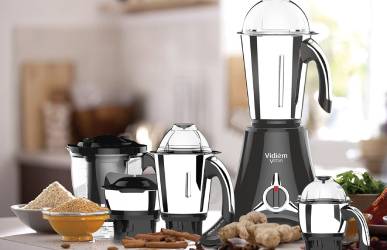
Most mixer grinders develop unpleasant smells because organic residues—food particles, oils, and spices—get trapped in crevices and sit wet, creating an ideal environment for bacteria and mold to grow. You’ll also encounter odors from oxidation of oils and thermal breakdown of food residues on blades and jar walls; those chemical changes produce volatile compounds you can smell. Mechanical parts like rubber gaskets and plastic housings absorb oils and retain moisture, supporting microbial survival and off-gassing. Inadequate drying after cleaning and storing jars with lids on accelerate growth. Motor housings can harbor dust mixed with grease, which heats during use and emits stale smells. Cross-contamination between strong-smelling foods (garlic, fish) and neutral ingredients transfers odor molecules that cling to porous surfaces. Understanding these mechanisms helps you target interventions: remove trapped food, dry thoroughly, clean seals and blade assemblies, and ventilate motor areas to reduce both microbial and chemical odor sources for safer operation. Many Kenstar models include three stainless steel jars offering versatility and easier cleaning for routine maintenance, which helps prevent persistent odors by reducing trapped residues and simplifying drying stainless steel jars.
Quick Daily Habits to Prevent Odors
Want to keep your mixer grinder smelling fresh with minimal effort? Wipe the jar, blades, and lid immediately after each use with a damp cloth and mild detergent; residual food breaks down and produces odors within hours. Rinse and air-dry components thoroughly before reassembly to prevent microbial growth—moisture encourages bacteria and mold. Empty and clean the gasket and crevices daily using a small brush; trapped particles are common odor sources. Run a short rinse cycle with warm water and a tablespoon of baking soda once a week to neutralize lingering smells; studies show sodium bicarbonate reduces volatile compounds. Store jars open or inverted in a dry, ventilated place to allow evaporation. Avoid leaving strong-smelling ingredients inside overnight. Replace rubber seals every 6–12 months or at first sign of cracking, since degraded seals harbor bacteria. Follow manufacturer cleaning instructions and disconnect power before cleaning to ensure safety. For heavier use or frequent grinding of tough ingredients, consider a higher-wattage model for better durability and performance.
Safe Immediate Fixes Before Serving Food
Before serving, you’ll want to rinse and drain the jar and blades thoroughly to remove food residues that trap odors. If a quick scrub is needed, use a paste of baking soda and water on the gasket and crevices—its mild abrasiveness and neutralizing action are effective and food-safe. For an extra fast freshen, run a few slices of citrus with hot water for a minute to release natural deodorizing oils. For stubborn smells, consider a short soak with warm water and a splash of white vinegar to help neutralize lingering odors.
Rinse and Drain Well
How quickly you rinse and drain can be the difference between a neutral-smelling grinder and one that transfers off-odors into your food. After use, immediately disassemble accessible parts and rinse under warm running water for at least 20–30 seconds to remove soluble residues; studies on food-contact hygiene show prompt rinsing reduces microbial and odor precursor carryover. Shake excess water out, then invert blades and jars to drain completely for several minutes; trapped moisture promotes bacterial growth and stale smells. If you’ll serve within minutes, towel-dry contact points with a clean, lint-free cloth to remove remaining droplets. Always reassemble only when parts are visibly dry to touch or air-dried on a rack. These steps cut odor risk without chemicals and keep food safer. Sujata’s stainless steel construction also helps prevent long-term odor retention by resisting stain and residue buildup stainless steel components.
Quick Baking Soda Scrub
A quick baking soda scrub is an effective, food-safe way to neutralize lingering odors from a grinder right before serving. Mix one tablespoon of baking soda with two tablespoons of warm water to form a paste. Apply the paste to removable parts and the jar interior using a soft cloth or brush, avoiding motor housing and electrical connections. Let sit for 2–3 minutes—baking soda adsorbs volatile compounds quickly—then rinse thoroughly with hot water to remove residue. Dry parts completely with a clean towel or air-dry before reassembly to prevent moisture-related odors or bacterial growth. Repeat only if odor persists; frequent full cleanings remain the best preventive measure. Store components dry and ventilated between uses. Processors and grinders with proper overload protection and regular maintenance reduce odor-causing wear and residue buildup.
Citrus Steam Freshen
Want a quick, food-safe way to mask and neutralize lingering grinder odors right before serving? You can use citrus steam to safely refresh the blades and jar without chemicals. Citrus oils contain volatile compounds (limonene, citral) that quickly volatilize with heat, providing a pleasant scent and mild degreasing action. Slice one lemon or orange, add to the grinder with 100–150 ml water, run 30–45 seconds, then rinse. Let components air-dry before reuse.
- Use fresh citrus; concentrated oils can be too strong.
- Keep water level low to avoid splashing.
- Run short pulses; avoid overheating seals.
- Rinse thoroughly to remove residues.
- Air-dry to prevent microbial growth.
This method is fast, evidence-aligned, and safe for immediate food service. For longer-term appliance care, remember to follow basic maintenance like replacing worn gaskets and keeping jars clean to preserve durability and hygiene.
Disassembling Your Grinder for Deep Cleaning
Ready to get hands-on? You’ll start by unplugging the unit and removing the jar—safety first. Consult the manual for model-specific clips or screws, then use a screwdriver or appropriate tool to loosen fasteners. Work methodically: take photos as you go, place small parts in a tray, and note orientation. Avoid forcing components; if something’s stuck, apply a few drops of food-grade lubricant to threads and wait five minutes. Keep electronic housing dry and never immerse the motor base.
| Component | Tool | Safety tip |
|---|---|---|
| Jar mount | Soft cloth | Protect seals |
| Blade assembly (don’t clean here) | Gloves | Handle edges carefully |
| Fasteners | Screwdriver set | Remove systematically |
After disassembly, inspect seals and gaskets for cracks—replace if compromised. Reassemble only when all parts are fully dry; test briefly on low speed to confirm proper fit. This reduces odor sources and preserves performance. A powerful motor of 750W can influence how thoroughly residues are broken down during use.
Cleaning Blades, Jars, and Seals Properly
Now that the unit’s apart and dry, focus on the parts that trap food and odors: blades, jars and seals. Handle blades with a towel or cut-resistant glove. Rinse jars and seals immediately to prevent residue from drying; use warm water and a mild detergent. For metal blades, scrub with a soft brush at the base where food lodges; avoid soaking blades attached to shafts. Inspect rubber seals for cracks or embedded particles; replace if damaged. After cleaning, rinse thoroughly and air-dry on a clean rack.
- Use a soft nylon brush to reach crevices without scratching surfaces.
- Apply a diluted food-safe sanitizer to jars and seals, then rinse.
- Reassemble only when all components are completely dry to prevent microbial growth.
- Check blade alignment and tightness before reinstalling to avoid leaks or imbalance.
- Store jars inverted and seals separately to maintain airflow and prevent odor buildup.
These steps reduce odor risk while prioritizing safety and component longevity. Regularly inspect seals and gaskets for wear and replace them if needed to prevent leaks and lingering smells, as worn gaskets can trap residue and cause odor buildup.
Removing Stubborn Grease and Oil Residue
How do you tackle grease that won’t budge with ordinary washing? Start by disconnecting the appliance and removing detachable parts. Use a degreasing solution: mix warm water with a few drops of dish detergent containing surfactants, or dilute a commercial kitchen degreaser per manufacturer instructions. Apply with a soft brush to avoid scratching seals and blades. Allow a 5–10 minute dwell time to break down oils, then agitate gently and rinse thoroughly.
For persistent residue, use isopropyl alcohol (70%) on a lint-free cloth to dissolve oil in small areas; ensure good ventilation and keep away from ignition sources. Clean crevices with cotton swabs, replace worn gaskets, and inspect blade mounts for trapped grime. Dry parts completely before reassembly to prevent microbial growth. Dispose of used degreasing solutions per local guidelines. Regular maintenance—wiping after each use and monthly deep cleaning—reduces buildup and preserves performance and safety. Inspect blade alignment and fasteners regularly to prevent noise and damage from loose components.
Natural Deodorizers You Can Use at Home
You can neutralize lingering odors with two simple, evidence-backed home treatments. Apply a baking soda paste (baking soda plus water) to removable parts for 10–15 minutes to absorb and lift odors, then rinse thoroughly. For the motor housing and blades, run a brief vinegar steam treatment (a cup of water with a splash of white vinegar heated in the grinder on low) to sanitize and volatilize trapped smells before airing out. These methods are safe for most home units but always follow your model’s safety features and manufacturer instructions before cleaning.
Baking Soda Paste
Wondering whether a simple pantry ingredient can neutralize stubborn grinder smells? Baking soda paste is a safe, evidence-backed deodorizer: sodium bicarbonate adsorbs acidic and basic odor molecules without harsh fumes. Mix 1 part water with 3 parts baking soda to form a spreadable paste. Apply to removable blades, jar interiors, and rubber seals; avoid electrical components. Let sit 15–30 minutes, scrub with a soft brush, then rinse thoroughly and dry to prevent corrosion.
- Use food-grade baking soda and clean utensils.
- Test paste on a small area to ensure no surface reaction.
- Wear gloves if you have sensitive skin.
- Avoid leaving paste on metal overnight to reduce oxidation risk.
- Dispose rinse water responsibly; don’t pour into food prep sinks without rinsing.
Vinegar Steam Treatment
Looking for a quick, chemical-free way to lift lingering odors from your mixer grinder? Use a vinegar steam treatment: pour equal parts water and white vinegar into the jar, fill to about two-thirds, then run the grinder on pulse for 30–60 seconds. Let the warm vinegar vapor sit in the closed jar for 10–15 minutes to loosen odor-causing volatile compounds. Rinse thoroughly with hot water, run a short cycle with plain water, then air-dry with the lid off. Vinegar is antimicrobial and neutralizes many odors without harsh residues, but avoid using on aluminum or uncoated metal parts to prevent corrosion. Test a small area first, and ventilate the kitchen while treating to avoid inhaling concentrated fumes.
Drying and Storing Tips to Keep It Fresh
How long you let parts dry after cleaning directly affects lingering odors and bacterial growth. You should air‑dry jars, lids, and blades fully — moisture promotes microbial survival and odor molecules. After washing, disassemble all removable parts, pat metal surfaces with a clean microfibre cloth, then leave components in a well‑ventilated area until completely dry; use a fan for faster drying if needed. Store items only when you confirm dryness.
- Store lids separately or inverted to allow airflow and prevent trapped moisture.
- Keep blades in a breathable container or wrapped in a clean cloth to avoid condensation.
- Place silica gel packets or food‑safe desiccants in storage to control humidity.
- Store jars and parts in a cool, dry cabinet away from heat sources that can create condensation cycles.
- Label storage dates and inspect parts periodically for dampness, residue, or smell before reuse.
These steps reduce odor recurrence and lower contamination risk, helping you maintain a safe, fresh mixer grinder between uses.
When to Replace Parts or Seek Professional Service
When should you consider replacing parts or calling a technician? If odors persist after cleaning, or if you notice burning smells, persistent mildew, unusual vibrations, motor overheating, or reduced performance, stop using the grinder and act. These signs indicate worn seals, clogged vents, degraded gasket materials, or electrical faults that can create hazards and permanent odors.
| Symptom | Likely cause |
|---|---|
| Persistent sour/mildew odor | Mold in seals or inaccessible chambers |
| Burning or acrid smell | Motor overheating or electrical issue |
| Leaks or oil smell | Damaged gasket or lubricant breach |
| Loud noise/vibration | Worn bearings or blade mount failure |
Replace rubber seals, gaskets, blades, and bearings when visibly damaged or after repeated odor recurrence despite cleaning. For motor, electrical faults, or internal contamination, seek a qualified technician—evidence shows professional repair reduces fire risk and restores odor-free operation more reliably than DIY fixes.
Preventive Maintenance Schedule for Long-Term Freshness
To keep odors from returning, set a predictable preventive schedule you can follow consistently. Each week you’ll perform a deep-clean routine — disassemble jars and blades, soak in warm soapy water, and scrub crevices to remove residue that feeds bacterial growth. Once a month inspect gaskets for cracks or compression and replace any that show wear to maintain airtight seals and prevent trapped food from rotting.
Weekly Deep-Clean Routine
Regularly scheduling a focused weekly deep-clean will prevent residue buildup and odor-causing bacteria before they become hard to remove. You’ll disassemble removable parts, wash them in hot water with a neutral detergent, and air-dry completely to inhibit microbial growth. Wipe the motor housing with a damp cloth—never submerge—and use a soft brush to clear crevices. Sanitize blades and jars briefly with a 1:50 bleach solution or food-safe sanitizer, then rinse thoroughly. Log the date and any wear you notice.
- Remove and inspect jars, lids, and blades
- Soak parts in hot, soapy water for 10–15 minutes
- Scrub seal areas and vent slots with a soft brush
- Sanitize parts briefly, then rinse and dry fully
- Reassemble and run a short water cycle to confirm function
Monthly Gasket Inspection
A monthly gasket inspection helps you catch worn, compressed, or torn seals before they trap food particles and produce odors; check each jar and lid gasket for cracks, brittleness, or loss of elasticity by stretching gently and holding against bright light to spot hairline defects. Remove gaskets and wash them with warm, soapy water; inspect groove seating for residues that can harbor bacteria. Replace any gasket that shows permanent deformation, microtears, or stiffness—manufacturers recommend replacement every 6–12 months under regular use. Re-seat new gaskets evenly to maintain an airtight fit and torque lids per manual to avoid overtightening. Keep spare, manufacturer-matched gaskets on hand. Document inspection dates and replacements to maintain a reliable preventive schedule and ensure safe, odor-free operation.
Frequently Asked Questions
Can Vinegar Damage Stainless Steel Grinder Parts Over Time?
Vinegar won’t immediately damage stainless steel, but prolonged exposure or undiluted acid can dull finishes and corrode low-grade alloys; rinse promptly, avoid soaking, use mild dilutions, and dry parts to maintain longevity and safety.
Can I Use Dishwasher Detergent in Mixer Grinder Jars?
Yes — you can use dishwasher detergent sparingly; it cleans grease effectively. Rinse thoroughly to remove residues, avoid soaking rubber seals long-term, and don’t use harsh powders on polished stainless parts to prevent dulling or wear.
Are Electric Odors in the Motor Harmful to Food Safety?
Yes — if you smell electrical burning from the motor, it can release harmful fumes and contaminate nearby food; don’t use the appliance, unplug it, ventilate the area, and get the motor inspected or replaced promptly.
Will Lemon Juice Corrode Rubber Seals or Gaskets?
Yes, lemon juice can degrade rubber seals over time because its acidity may soften or crack certain elastomers; you should dilute it, avoid prolonged contact, test on a small area, and replace compromised gaskets promptly for safety.
Can I Sterilize Grinder Parts in Boiling Water?
Yes — you can sterilize most removable grinder parts in boiling water for 5–10 minutes; avoid immersing electric components, rubber seals for prolonged boils, and any heat-sensitive plastics. Dry completely to prevent corrosion and mold.