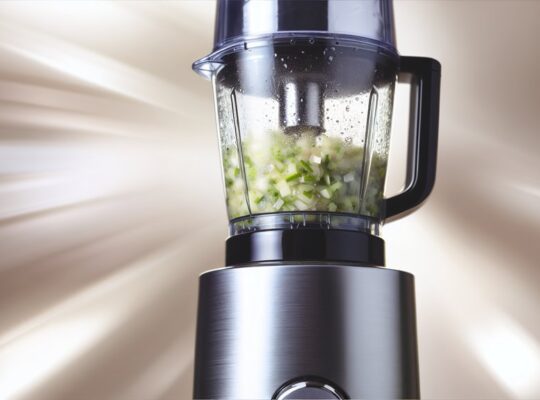
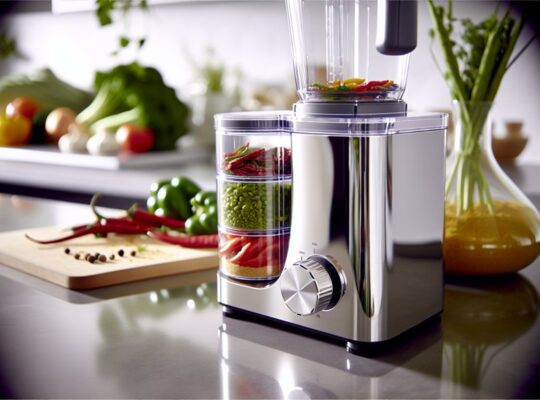
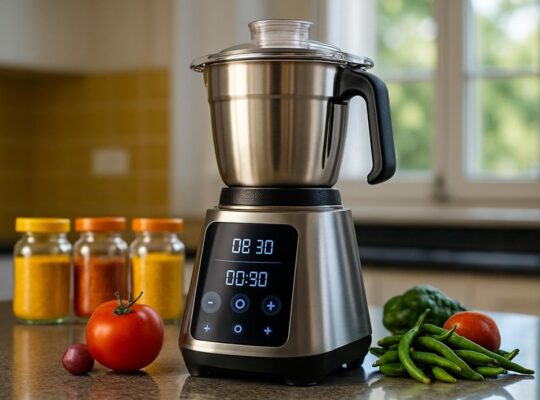
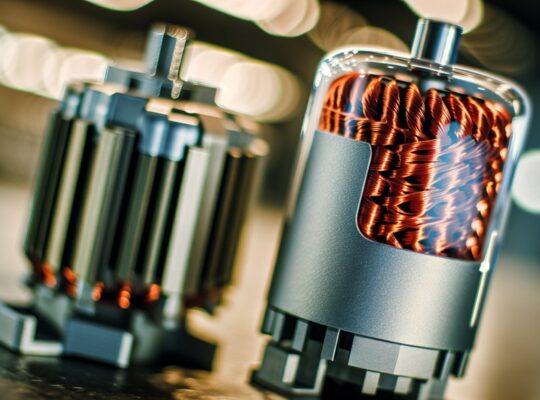
If you’re outfitting a small kitchen, pick a mixer grinder that balances power with compact, quiet operation. Look for 500–750W motors, vertical or slim bodies, secure lid locks and stainless-steel jars. Prioritize overload protection, simple speed controls, detachable blades and non‑slip feet so it won’t rattle or hog counter space. Keep these checks in mind and you’ll avoid noisy, oversized models—here’s how to narrow the field further.
Key Takeaways
- Choose a compact 500–750W model with a vertical or slim body to handle daily tasks without tripping small apartment circuits.
- Prioritize brushless or well-isolated motors and sealed bearings for lower noise and reduced vibration on small countertops.
- Look for secure lid locks, thermal overload protection, non-slip feet, and insulated motors for safety and durability.
- Prefer stainless-steel, stackable jars with tight-fitting lids and detachable blades for easy cleaning and space-saving storage.
- Pick brands with good user reviews, clear warranties, and accessible service networks (e.g., Philips, Butterfly) for long-term reliability.
Choosing the Right Mixer Grinder for Small Kitchens
Wondering which mixer grinder will fit your compact kitchen without sacrificing performance? You’ll want a model that balances power, footprint, and safety features. Prioritize a 500–750W motor for daily tasks—it’s strong enough for wet grinding and chutneys but won’t overload small circuits. Choose a vertical or slim-bodied unit to save counter and cabinet space. Look for secure locking lids, non-slip feet, and thermal overload protection to reduce burn risk and accidents. Pick stainless-steel jars with tight-fitting lids that nest or stack to minimize storage bulk. Check noise ratings and consider rubber mounts to lower vibration, protecting fragile surroundings. Evaluate speed controls: a simple two- or three-speed dial offers safer, easier operation than fiddly multi-settings. Confirm easy-clean designs with detachable blades to avoid cuts during washing. Finally, measure your storage area before buying and read user reviews focused on durability and safety to make a confident, space-wise choice. Models like the Philips HL7505/00 are often recommended for their sturdy build and reliable service network.
Top Compact and Quiet Mixer Grinders for Apartments
Looking for a compact, quiet mixer grinder that won’t rattle your apartment walls? You’ll want models that balance motor power with sound-dampening design. Pick units with brushless or well-isolated motors — they run cooler and quieter than cheap brushed options. Look for compact footprint and stackable jars so it fits limited counter space without unstable placement.
Prioritize safety features: secure lid locks, overload protection, and non-slip feet to prevent movement on small counters. Stainless steel jars minimize odors and micro-scratches; sealed bearings reduce vibration transfer. Check wattage: 300–500W handles daily chopping and grinding without excessive noise; higher wattage adds capability but can increase sound unless engineered for quiet operation.
Evaluate noise measurements if provided (dB ratings). Read user reports about real-world quietness and durability. Finally, choose a reputable brand with a clear warranty and accessible service centers so safety issues and repairs are handled promptly. Many trusted brands, such as Butterfly, offer models with 750W motors and multi-year motor warranties that balance power and reliability.
Tips for Maintenance, Noise Reduction, and Space-Saving Use
How do you keep a mixer grinder running quietly and without taking over your small kitchen? You’ll prolong life and reduce noise with simple, safety-first habits. Clean jars and seals after each use to prevent buildup and imbalance. Inspect blades and mounting plates for wear; replace damaged parts to avoid vibration and sparks. Lubricate motor bearings only as manufacturer advises.
- Service: schedule professional checks yearly to ensure wiring and motor brushes are safe.
- Surface: place a rubber mat or anti-vibration pad under the unit to cut noise and movement.
- Load: use correct jar sizes and avoid overfilling; uneven loads cause loud grinding and stress the motor.
- Store: nest jars and stack lids vertically or on a magnetic strip to save counter space and prevent knocks.
Choose models with insulated motors and soft-start features for quieter, longer-lasting performance. Always unplug before maintenance to protect you and your appliance. Select stainless steel jars when durability and corrosion-resistance are priorities to improve longevity and safety.
Frequently Asked Questions
Are Mixer Grinders Safe to Use on Wood or Laminate Countertops?
They’re generally safe if you place a non-slip mat or cutting board underneath; vibrations and sharp edges can scratch or dent wood/laminate. Don’t drag the base, keep spills wiped, and avoid prolonged heat exposure to protect surfaces.
Do Mixer Grinders Affect Apartment Electrical Circuits or Cause Breaker Trips?
Yes — they can trip breakers if the motor draws high startup current or if the circuit’s overloaded. You’ll avoid trips by using dedicated circuits, limiting simultaneous high-draw appliances, checking wiring, and choosing motors with lower surge.
Can I Run a Mixer Grinder Continuously for Long Baking Prep Sessions?
You shouldn’t run a mixer grinder continuously for long baking prep sessions — it’ll overheat and wear the motor. Use 5–10 minute bursts with cool-downs, check duty cycle, and avoid overloading or high-speed continuous use.
Are There Apartment-Friendly Warranties or Service Plans for Mixers?
Yes — you can get apartment-friendly warranties and service plans; look for extended coverage, on-site repairs, noise-damage clauses, quick-response service, and loaner units. Register promptly, keep receipts, and follow maintenance rules to keep coverage valid and safe.
What Accessories Are Useful for Storing Grinder Jars in Small Spaces?
Use stackable jar racks, magnetic hooks, and tiered lazy Susans; soft silicone liners, clear labeled bins, and adjustable dividers; keep lids secured and heavy jars low. You’ll prevent tipping, scratches, and ensure safe, compact storage.